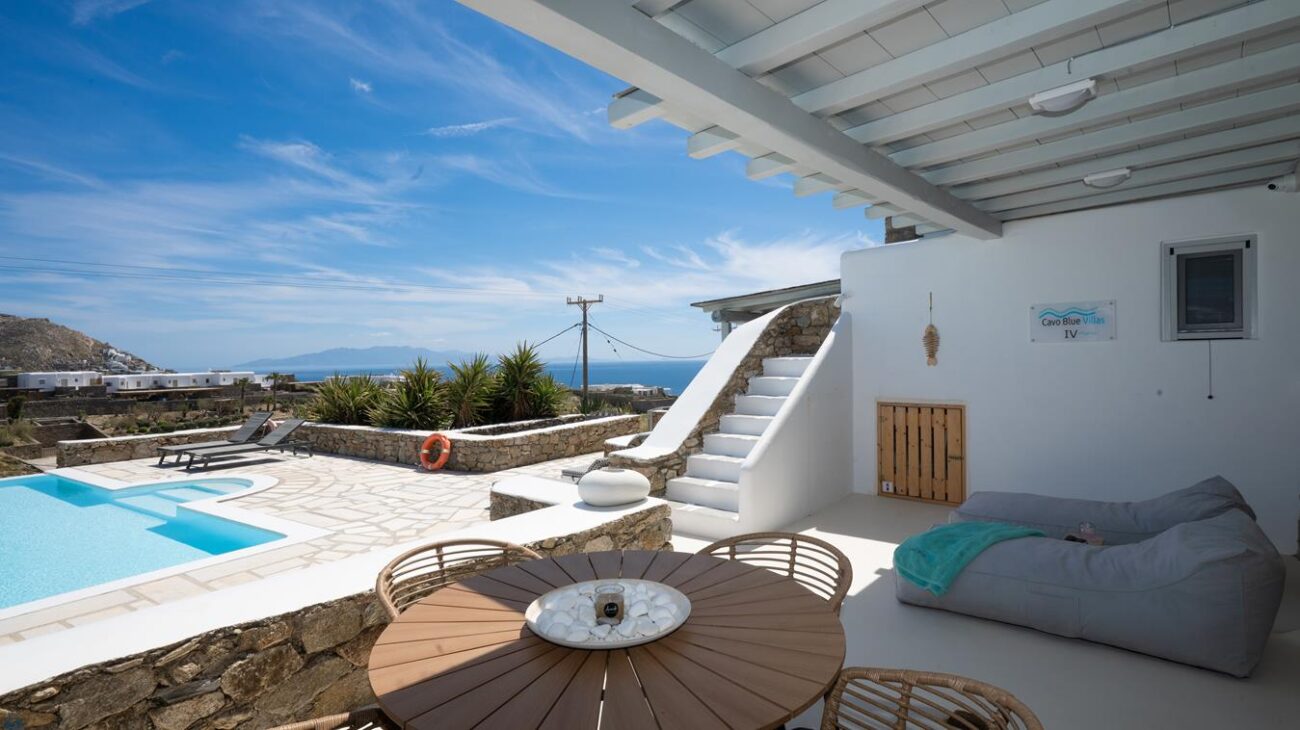


Eco-Tourism in Mykonos
Mykonos has long attracted travelers with dramatic landscapes, vibrant culture, and a globally recognized hospitality scene.
However, rapid tourism growth has placed visible pressure on local resources, infrastructure, and fragile ecosystems.
Therefore, eco-tourism in Mykonos has emerged as a strategic response rather than a temporary marketing concept.
Local stakeholders increasingly recognize that sustainability protects both economic vitality and environmental integrity over time.
Moreover, eco-tourism in Mykonos aligns naturally with the island’s heritage of respecting land, sea, and community rhythms.
By balancing visitor demand with responsible practices, the destination strengthens its long-term appeal and resilience.
Sustainable Practices in Accommodation and Hospitality
Hotels across the island are actively redefining luxury through efficiency, accountability, and environmental awareness.
Many properties now integrate energy-saving systems, including smart lighting, efficient cooling, and water conservation technologies.
Additionally, solar panels increasingly power hotel operations, reducing dependence on fossil fuels and external energy supplies.
Recycling programs, refillable amenities, and biodegradable cleaning products have become standard among forward-thinking operators.
Consequently, waste volumes decrease while operational costs stabilize, benefiting businesses and the broader community.
Eco-tourism in Mykonos thrives when sustainability becomes embedded within daily hospitality routines, not isolated initiatives.
Meanwhile, boutique hotels often collaborate with local suppliers, reinforcing economic circulation within the island.
This approach reduces transportation emissions while preserving traditional craftsmanship and regional identity.
Responsible Dining and Local Food Systems
Restaurants play a critical role in shaping sustainable tourism experiences throughout the island.
Many chefs now prioritize local, seasonal ingredients sourced directly from nearby farms and fisheries.
As a result, menus reflect authentic Cycladic flavors while lowering emissions linked to long-distance food transport.
Furthermore, reduced food waste programs, composting initiatives, and responsible seafood sourcing have gained traction.
These efforts protect marine stocks while supporting fishermen who respect seasonal catch limits.
Eco-tourism in Mykonos becomes tangible when visitors taste sustainability through thoughtfully prepared local dishes.
Additionally, plant-forward menus appeal to environmentally conscious travelers without compromising culinary creativity or cultural relevance.
Protecting Marine and Coastal Ecosystems
The marine environment remains central to the island’s identity and tourism economy.
Therefore, protecting beaches and underwater ecosystems has become a shared responsibility among residents and visitors.
Organized beach clean-ups occur regularly, often supported by hotels, schools, and volunteer organizations.
Plastic reduction campaigns have also expanded, encouraging reusable bottles, bags, and packaging alternatives.
Consequently, less waste reaches the sea, preserving biodiversity within the surrounding Aegean Sea.
Moreover, educational campaigns promote respect for marine life, coastal vegetation, and protected habitats.
These programs help visitors understand how individual actions influence environmental balance.
Low-Impact Activities and Meaningful Experiences
Eco-tourism in Mykonos extends beyond infrastructure into the activities visitors choose during their stay.
Low-impact hiking routes highlight natural landscapes without disturbing sensitive ecosystems.
Guided walking tours increasingly emphasize cultural history, local architecture, and environmental awareness.
Additionally, sailing excursions often adopt fuel-efficient practices and wildlife-friendly observation guidelines.
Such experiences deliver memorable encounters while maintaining ecological responsibility.
Travelers who engage consciously tend to form deeper connections with the destination and its people.
Therefore, sustainable tourism enhances satisfaction while reducing unintended environmental consequences.
Community Involvement and Long-Term Vision
Sustainability efforts succeed when local communities actively participate in decision-making and implementation.
Municipal initiatives now support water management improvements, renewable energy adoption, and environmental education programs.
Meanwhile, collaborations between businesses, nonprofits, and authorities strengthen accountability and shared progress.
Eco-tourism in Mykonos depends on long-term planning rather than short-term visitor numbers alone.
Responsible development policies help preserve character while accommodating tourism demand responsibly.
Ultimately, sustainability represents a practical necessity, not an abstract ideal or passing trend.
Through informed choices by professionals and travelers alike, Mykonos can thrive without sacrificing its essence.
By embracing eco-tourism in Mykonos today, the island secures a balanced, vibrant future for generations to come.
*Code applicable only for reservations until the end of August.