
The Cultural Fabric: History and Identity of Mykonos
Mykonos carries an identity that runs far deeper than its famous party reputation. Beneath the glittering surface lies a rich, centuries-old story waiting to be discovered. Furthermore, understanding this island means stepping away from the beach clubs and looking inward.
The identity of Mykonos is anchored in a proud and fearless seafaring tradition. For generations, Mykonian sailors dominated Aegean trade routes with remarkable skill and courage. During the Greek War of Independence, the island contributed ships and fighters who helped reshape Greek history. As a result, resilience and pride remain defining traits of the local character today.
Myths, Merchants, and Pirates
Legend claims that Mykonos rose from the petrified bodies of giants slain by Hercules. This mythological origin gives the island a dramatic, almost sacred sense of place and purpose. Just a short boat ride away, the sacred island of Delos marks the mythical birthplace of Apollo and Artemis. Therefore, exploring Delos adds profound religious and historical layers to any Mykonos visit.
Historically, Mykonians moved between the roles of merchant and pirate with fluid ease. This duality shaped a defensive, self-sufficient culture that still shows in the local mindset. Consequently, the island’s identity reflects both cunning survivalism and generous Mediterranean warmth.
Architectural Symmetry: The White Cubes of the Cyclades
The whitewashed cubic houses of Mykonos are instantly recognizable, yet their beauty is rooted in pure practicality. Cubic shapes reduce the surface area exposed to punishing sun and relentless Aegean winds. Moreover, the original lime-and-marble whitewash acted as a natural disinfectant while bouncing heat away from interior walls. This clever, functional design has defined the visual identity of Mykonos for hundreds of years.
The Windmills and Little Venice
The windmills have stood on the island’s southern tip since the sixteenth century. Originally, they ground grain for the local population and passing merchant ships. Today, they stand as the most photographed symbols of the island’s agrarian and maritime past. Meanwhile, just steps away, Little Venice lines the sea’s edge with houses that hang dramatically over the water. Sitting on one of those balconies at sunset feels like watching history dissolve into the horizon. Notably, Greek law protects these structures to preserve the irreplaceable visual identity of Mykonos.
Authentic Mykonos: Beyond the Nightlife
The winding alleys of Chora hold the truest version of Mykonian life you will find anywhere. Hidden courtyards open unexpectedly into artisan workshops, family-run tavernas, and flower-draped doorways. Here, locals still prepare loukaniko sausage and honey-drenched melopita the same way their grandparents did. In contrast to the crowded beach clubs, this quieter Mykonos rewards anyone willing to slow down and wander.
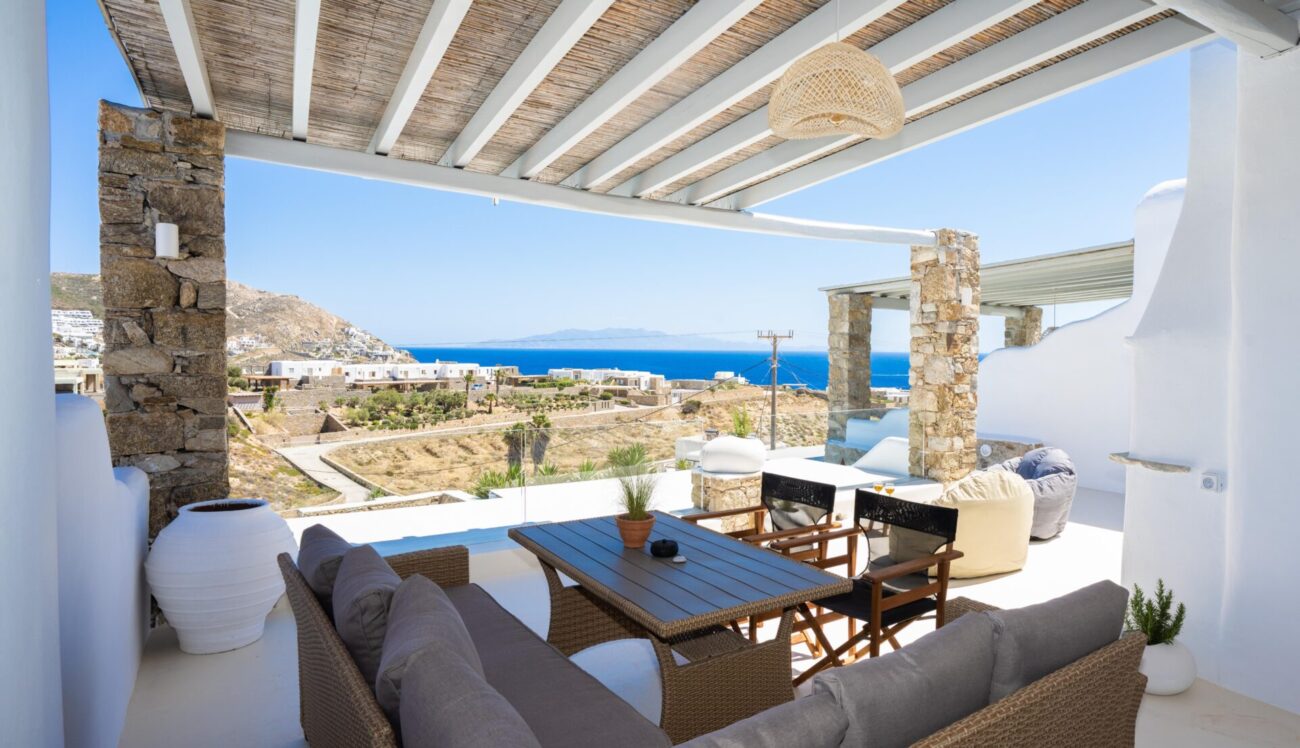
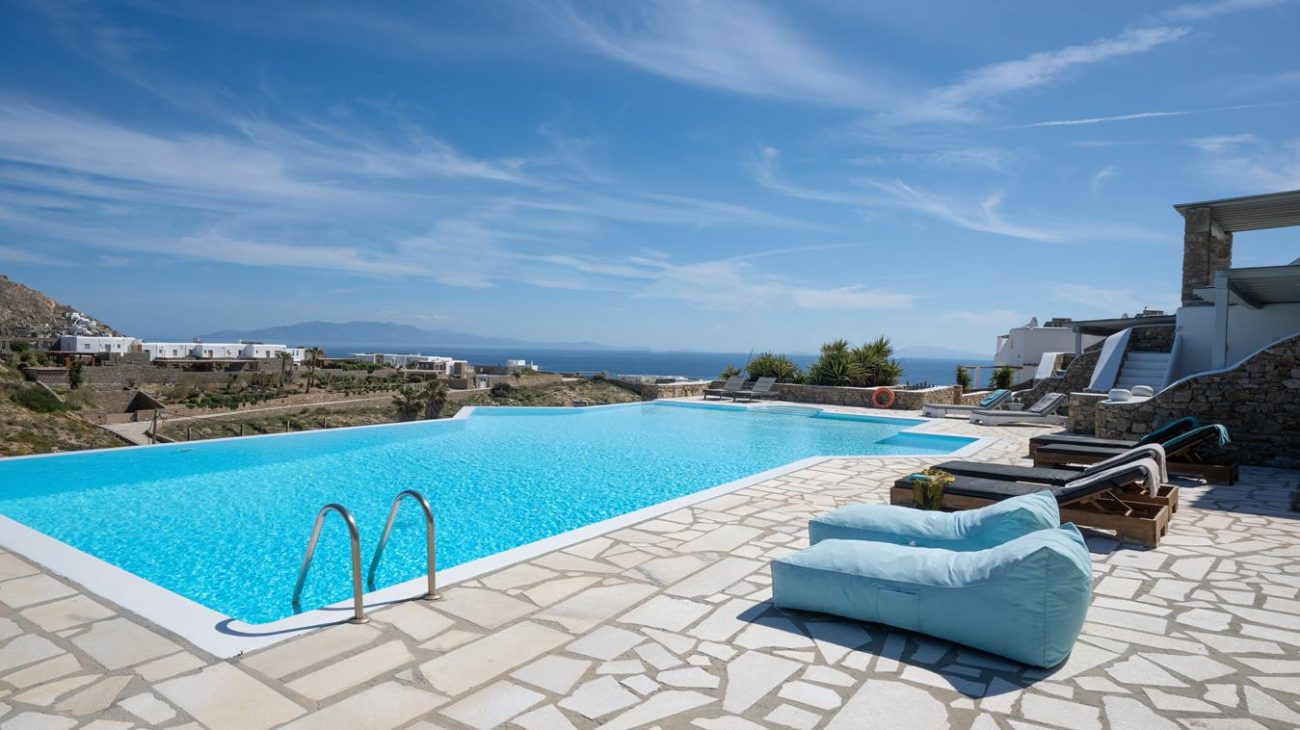
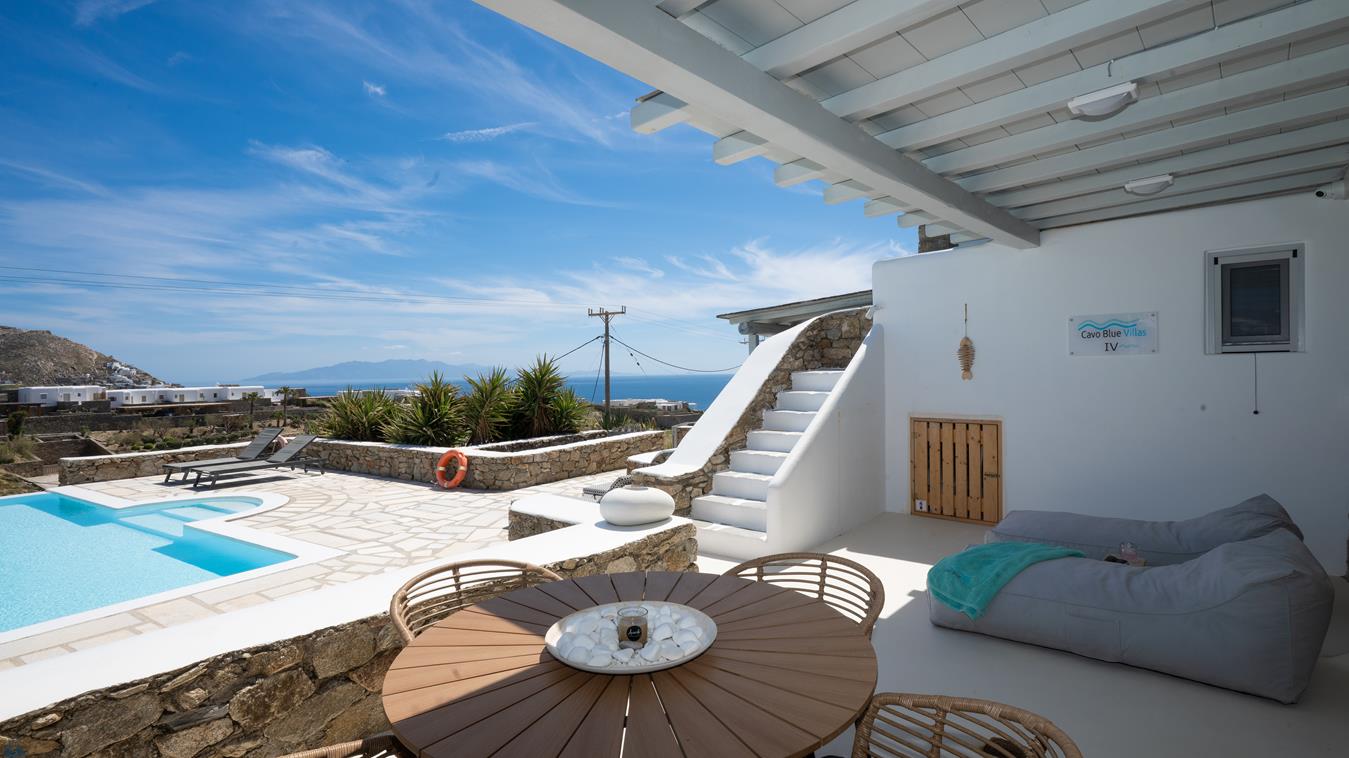
For those craving pure serenity, the beaches of Elia and Agios Ioannis offer golden sand and impossibly clear water. These spots allow you to decompress far from the island’s louder energy. After a day of cultural exploration, staying near Elia Beach makes a natural, restorative choice. Properties like Cavo Blue Villas at www.cavobluevillas.com sit steps from the shore, offering privacy and comfort in a setting that honors the island’s natural beauty.
Finding Your Sanctuary: Staying in Elia Beach
Choosing the right base shapes your entire Mykonos experience more than any single activity will. Elia Beach strikes a rare balance — peaceful enough to breathe, yet close enough to Chora for easy exploration. Booking through www.cavobluevillas.com gives you a private retreat that genuinely feels like your own corner of the Cyclades. Whether you visit for romance, family, or solo reflection, the right accommodation connects you to the Aegean rhythm that defines life here.
Conclusion: The Enduring Identity of Mykonos
Mykonos holds its contradictions beautifully — ancient ruins beside modern luxury, pirate folklore beside designer boutiques. Nevertheless, its truest identity lives in the stubbornness of its windmills and the warmth of its people. Travelers who look beyond the famous sunsets discover an island with extraordinary depth and character. Ultimately, Mykonos does not just entertain you — it stays with you long after you leave.