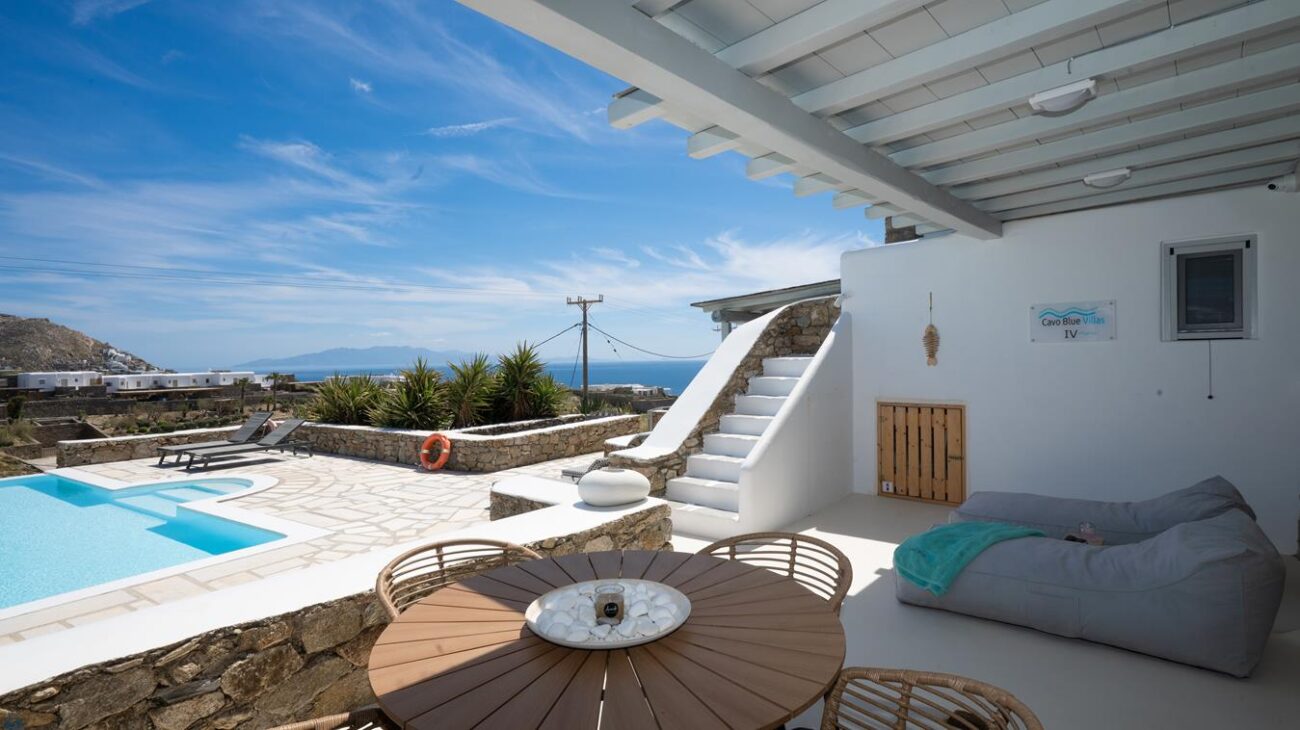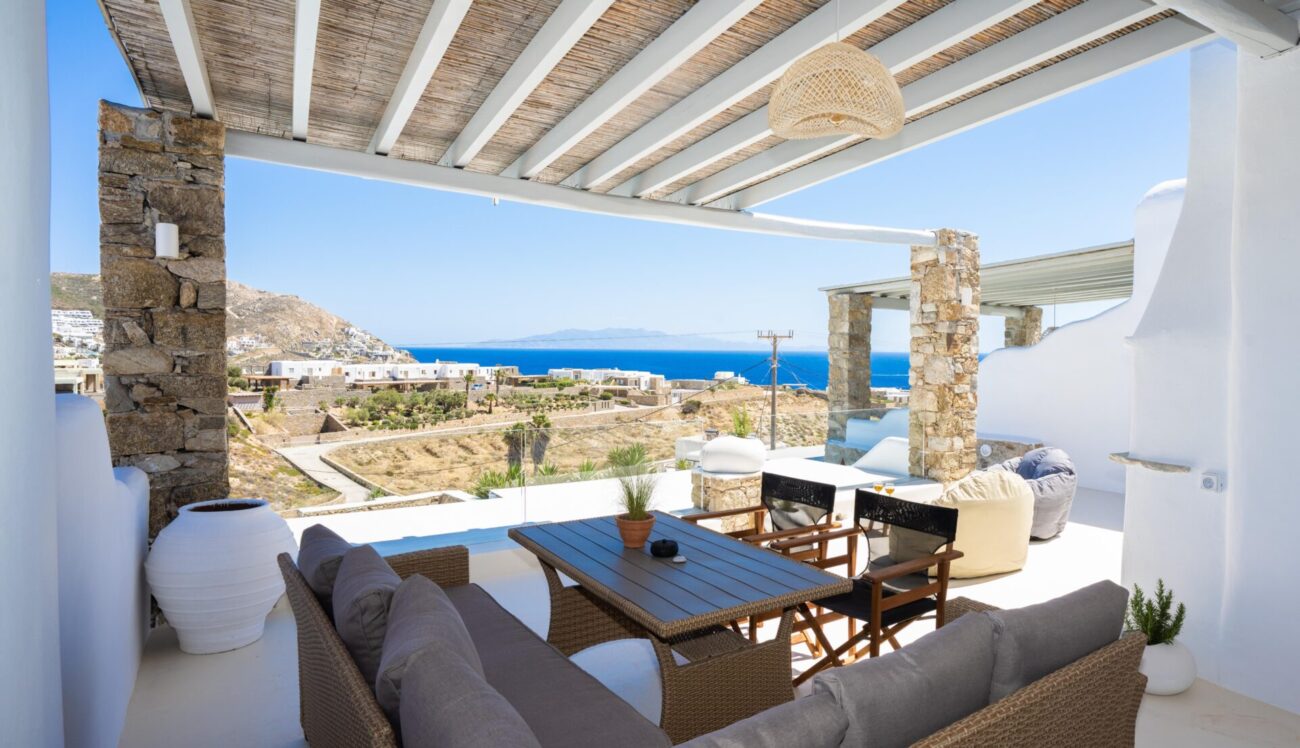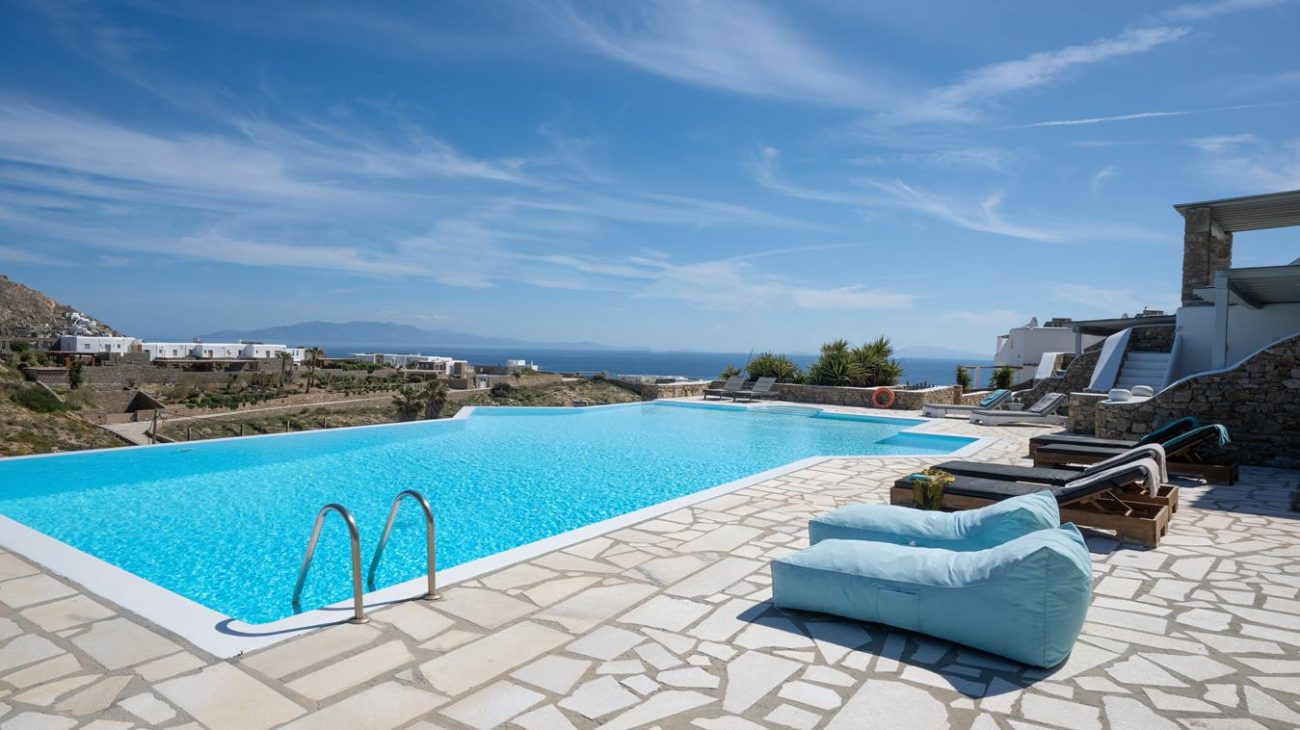


Mykonos looks like a dream from the outside. Whitewashed walls, blue domes, crystal water. But living or working in Mykonos? That’s a completely different story and an incredibly rewarding one.
This guide pulls back the curtain. No Instagram filters. No tourist-brochure language. Just honest, practical insight from people who call this island home.
What Nobody Tells You Before You Arrive
The island shifts personalities between seasons. From November to April, Mykonos is quiet, local, and almost unrecognizable to summer visitors. Shops close. Ferries run less often. The population drops dramatically.
Many residents love this version of the island most. It feels like it belongs to them again.
You need to be prepared for both realities. The frenetic summer energy and the slow, introspective winter months require different mindsets entirely. People who struggle here usually didn’t plan for that contrast.
Working in Mykonos: What the Job Market Actually Looks Like
The economy here runs on hospitality. Hotels, bars, restaurants, yachts, and retail dominate the job landscape. Most opportunities open between April and October, peaking in July and August.
Hospitality and Tourism This is where the bulk of employment lives. Roles include bartenders, waitstaff, hotel receptionists, concierge staff, and housekeeping. High-end resorts pay well. Competition for the best positions gets fierce by March each year. Apply early, employers fill their seasonal rosters fast.
Water Sports and Outdoor Activities Mykonos has a strong water sports culture. Instructors, guides, and boat crew find steady seasonal work. Certifications matter here. PADI dive qualifications and RYA sailing licenses open doors that would otherwise stay shut.
Real Estate and Luxury Services The luxury market here is enormous. Property management, villa rentals, and personal concierge services employ year-round staff. These roles are harder to find but far more stable. Fluent English plus a second European language gives you a significant edge.
Remote Work This has grown significantly since 2021. Mykonos now attracts digital nomads and freelancers who want island life without depending on local jobs. Fast fiber internet exists in most areas. Co-working spaces have quietly popped up across the island.
Navigating Housing — The Biggest Challenge
Finding affordable accommodation is genuinely hard. Property prices rank among the highest in Greece. Summer rental rates are eye-watering.
Most workers arriving for the season share apartments. A four-person flat in Mykonos Town gets split four ways just to make rent manageable. Some employers, especially larger hotels, provide staff accommodation. Always ask about this before signing anything.
Start your housing search in January or February. By April, the affordable options disappear fast. Facebook groups specific to Mykonos expats and workers are surprisingly useful here. Word of mouth still works better than any app.
Ano Mera, the village in the island’s interior, offers cheaper rents than the coast. Many workers base themselves there. The commute into town is short, and the atmosphere feels genuinely Greek rather than tourist-facing.
The Cost of Living: Budget Honestly
Groceries cost more than on the mainland. Dining out in tourist areas? Expensive. But locals have their spots, small tavernas, family-run bakeries, and weekly markets where prices stay reasonable.
A realistic monthly budget for a single person sharing accommodation sits around €1,200 to €1,600. That covers rent, food, transport, and basics. Seasonal workers in peak hospitality roles can earn well above that. Off-season budgeting requires more discipline.
Building a Life in the Community
The expat and seasonal worker community here is tight. People look out for each other. Many friendships built during a Mykonos summer last decades.
Language matters more than people expect. Greek locals genuinely appreciate any effort you make with the language. Even basic phrases shift how people treat you. You stop being a tourist and start becoming a neighbor.
Local life centers around the harbor, the weekly market, and smaller neighborhood kafeneions away from tourist strips. Getting off the main drag matters. That’s where real connections form.
Volunteer opportunities exist through local environmental groups and cultural organizations. These connect you to long-term residents quickly. They also give you something meaningful to do during the quieter months.
Legal and Practical Realities
EU citizens can work freely in Greece without additional permits. Non-EU nationals need a work visa before arriving, don’t assume you can sort it on arrival.
Register with the local municipal office (KEP) after settling in. This simplifies access to healthcare, banking, and other services. The Greek social security system (EFKA) covers you once formally employed. Make sure your employer registers you, some seasonal employers try to avoid this.
Open a Greek bank account quickly. Transfers from foreign accounts get expensive. Piraeus Bank and Alpha Bank both have local branches on the island.
Is Mykonos the Right Move for You?
This island rewards adaptability. It rewards patience. And it rewards people who genuinely enjoy human connection, because isolation hits hard here if you arrive without building your community.
The people who thrive here share a few traits. They embrace the slow winter, engage with locals and treat the island with respect rather than treating it purely as a backdrop for their lifestyle.
If that sounds like you, Mykonos offers something rare. A place with genuine beauty, a strong community beneath the tourist surface, and real opportunity for those willing to look past the postcard version.
Pack light. Plan ahead. And give yourself at least one full off-season before deciding whether island life is truly for you.